
The biggest myth about vegan and vegetarian Indian diets is the protein gap. Walk into any gym in Delhi or Bangalore and you'll hear someone repeat it: "You can't get enough protein without eggs or whey." The science says otherwise. India has one of the most protein-rich plant-food traditions in the world — the trick is to look beyond just dal and paneer.
This guide breaks down 15 vegan protein sources widely available in India, with exact protein content per 100g, what to make with them, and what they cost. Whether you're cutting meat, training for strength, or just want better nutrition, this is your reference.
How Much Protein Do You Actually Need?
Indian Council of Medical Research (ICMR) recommends 0.83g of protein per kg of body weight per day for adults. For a 70kg adult, that's ~58g daily. Active people, athletes, and seniors need more — 1.2 to 2.0g per kg.
Most Indians eat 30-45g per day. The shortfall is real — but it's solvable without meat.
The 15 Best Vegan Protein Sources in India
1. Soya chunks / TVP (52g protein per 100g dry weight)
The undisputed king. Pound for pound the highest-protein vegan food in India. Rehydrates in hot water, absorbs masala beautifully. GoodDot Proteiz at ₹89 a pack is the most cost-effective premium variant.
2. Soya chaap (18-22g per 100g cooked)
Mutton-textured plant protein. Versatile for tandoori, masala, curry. GoodDot Soya Chaap has 73g protein per pack.
3. Mock meat / vegan keema (20-25g per 100g)
Pre-seasoned plant mince that performs just like mutton keema. GoodDot UnMutton Keema is shelf-stable, ready-to-cook with masala sachet.
4. Tofu (8-12g per 100g)
Made from soya milk, easy to find in metros (Sattvik, Goodmylk brands). Stir-fry, scramble, marinate. Lower per-gram protein than soya chunks but extremely versatile.
5. Chickpeas / chana (19g per 100g cooked)
Cheap, ubiquitous, every household staple. Boil, sprout, or make hummus. White chana or black chana — both excellent.
6. Lentils / dal (24-26g per 100g dry)
Toor, moong, masoor, urad, chana dal — each delivers 20-26g per 100g raw. Indian cuisine's best protein workhorse.
7. Kidney beans / rajma (24g per 100g dry)
Comfort food protein. Rajma chawal is a legitimate 25g-protein meal.
8. Black gram / black-eyed peas (24-25g per 100g dry)
Lobia, chowli, urad — underused but powerful. Good iron content too.
9. Quinoa (14g per 100g cooked)
Complete protein (all 9 essential amino acids). More expensive than rice but worth it as a partial swap. Found in GoodDot Vegan Biryani kit.
10. Peanuts (26g per 100g)
Wildly underrated. Boiled, roasted, or as peanut butter. 26g protein per 100g — nearly identical to chicken.
11. Almonds (21g per 100g)
Higher-cost but nutrient-dense. 8-10 soaked almonds + breakfast = solid protein boost.
12. Sunflower / pumpkin seeds (20-30g per 100g)
Sprinkle on salads, smoothies, breakfast bowls. Excellent for snacking.
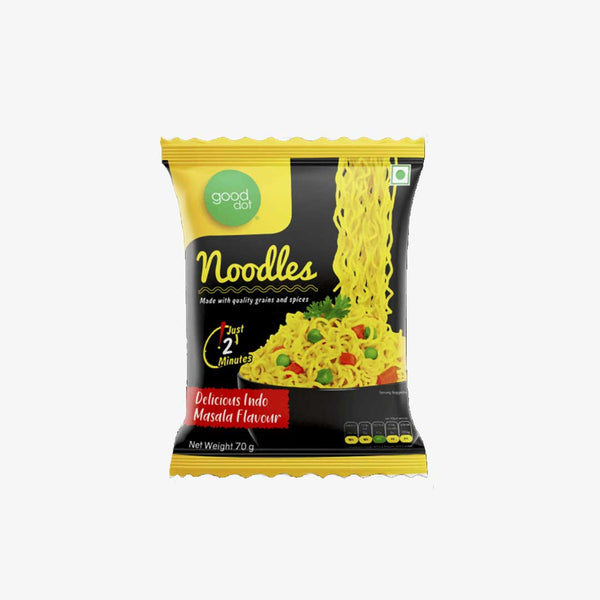
13. Vegan protein noodles (12g+ per pack)
Pea + soya protein noodles like GoodDot Plant-Based Noodles. Healthier than maida noodles, fast meal.
14. Vegicken / vegan chicken chunks (18g per 100g)
Ready-to-use vegan chicken alternative. GoodDot Vegicken Chunks in Brine is the easiest format.
15. Sattu (20g per 100g)
Bihar's traditional roasted gram flour. 20g protein, 7g fiber per 100g. Cold sattu drink with lemon + black salt = perfect summer pre-workout.
The Budget-Friendly Protein Table
Per gram of protein, in INR:
- Soya chunks: ₹1.70 per gram protein — cheapest
- Toor dal: ₹1.90 per gram protein
- Chana: ₹2.10
- Peanuts: ₹2.30
- Soya chaap: ₹2.50
- Tofu: ₹3.20
- Paneer: ₹4.50
- Almonds: ₹6.50 — most expensive
Plant proteins are roughly 2-3x cheaper per gram than dairy or animal proteins.
Sample 80g-Protein Vegan Day (Indian Foods)
- Breakfast: 2 sattu parathas + glass of soya milk = 22g
- Mid-morning snack: handful of soaked almonds + peanuts = 8g
- Lunch: 1 cup rajma + 1 cup brown rice + salad = 20g
- Evening: Eggless bhurji with toast = 12g
- Dinner: UnMutton Keema with 2 pav = 20g
Total: ~82g protein. Zero meat, zero dairy. Easily achievable for ~₹180 a day.
Common Mistakes Indians Make With Vegan Protein
- Treating dal as the only option — it's good, but variety matters
- Ignoring soya due to outdated hormone myths (debunked, see ICMR guidelines)
- Skipping breakfast protein — starting the day with carbs only
- Buying expensive whey when peanuts deliver equivalent gains
- Eating tons of paneer for protein when it's actually 60% fat
Best Plant Protein Combinations for Complete Amino Acids
Animal protein has all 9 essential amino acids in one food. Plants don't always — but combinations cover everything:
- Rice + dal (rajma chawal, dal chawal) — the classic combo
- Roti + chana (chole bhature, chana roti)
- Khichdi (rice + moong dal)
- Idli + sambar
- Mock meat + grain (keema pav, soya chaap with rice)
Frequently Asked Questions
Is soya safe to eat every day?
Yes. ICMR includes soya in its national dietary guidelines. The hormone concerns from old animal studies don't apply to normal human intake. Moderate daily consumption (50-100g cooked) is safe and beneficial.
Can vegans build muscle without whey protein?
Absolutely. Soya isolate, pea protein, and rice protein blends are all complete proteins. Real-world: bodybuilders Patrik Baboumian and Nimai Delgado built world-class physiques on plant protein.
How much protein per kg should I eat?
0.83g per kg for sedentary adults (ICMR). 1.2-1.6g per kg for active people. 1.6-2.0g per kg for muscle building or endurance athletes.
Where can I buy high-protein vegan foods online in India?
For mock meats, see GoodDot's High Protein Picks collection with 18-25g protein per serving across soya chaap, keema, chunks and tikka.
Final Thoughts
The vegan protein gap in India is a myth that persists because most people only know dal and paneer. The reality: there are at least 15 affordable, accessible vegan protein sources — many cheaper and more nutritionally dense than animal protein.
Stock up on the basics (dal, chana, peanuts), add 1-2 mock meat staples (Proteiz, UnMutton Keema), and you'll never worry about protein again.